Introduction
Cardiology is one of the most respected and highest-paying medical specialties in the world. Cardiologists diagnose, treat, and prevent diseases related to the heart and blood vessels, making their expertise essential in modern healthcare. Because of their advanced education, years of specialized training, and the critical nature of their work, cardiologists often earn significantly higher salaries than many other healthcare professionals.
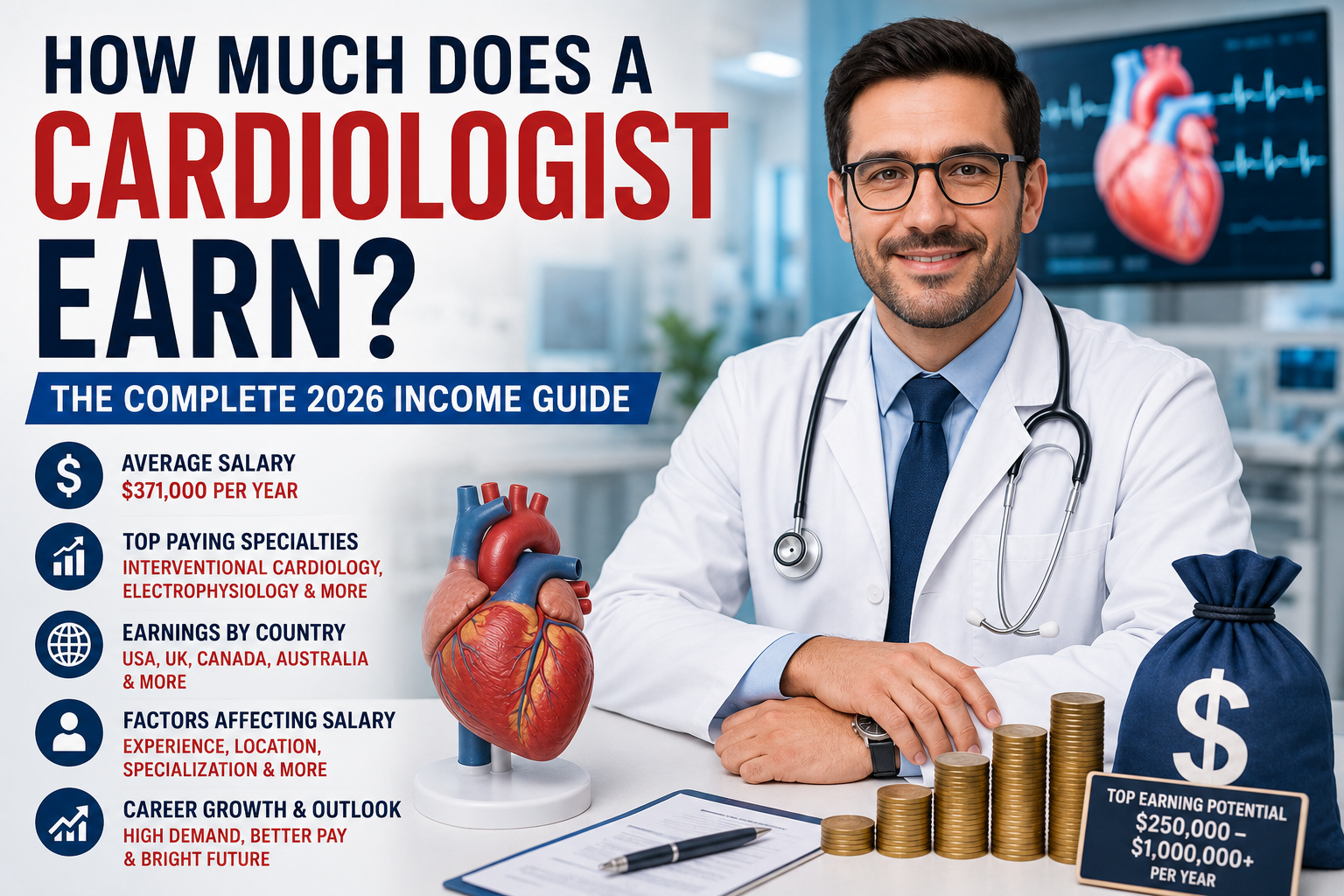
If you’re considering a career in cardiology or are simply curious about How Much Does a Cardiologist Earn, this comprehensive 2026 income guide covers everything you need to know. You’ll discover average salaries, earnings by country, experience level, specialty, workplace, and the factors that influence a cardiologist’s income.
How Much Does a Cardiologist Earn in 2026?
When people ask How Much Does a Cardiologist Earn, the answer depends on several factors, including location, experience, specialization, and whether the cardiologist works in a public hospital, private practice, or academic institution.
In 2026, cardiologists remain among the highest-paid physicians globally. Entry-level cardiologists typically earn competitive salaries, while experienced specialists and those with successful private practices can earn several times more. In addition to their base salary, many cardiologists receive bonuses, profit-sharing, consultation fees, and incentives that significantly increase their total annual income.
Average Cardiologist Salary (Global Estimate)
| Salary Type | Estimated Income |
|---|---|
| Hourly Salary | $120–$300 |
| Monthly Salary | $18,000–$45,000 |
| Annual Salary | $220,000–$550,000+ |
These figures vary widely depending on the country and healthcare system.
Average Cardiologist Salary by Country
One of the biggest factors affecting How Much Does a Cardiologist Earn is the country where they practice. Healthcare budgets, cost of living, demand for specialists, and private healthcare opportunities all influence salaries.
United States
The United States consistently offers some of the highest salaries for cardiologists. Specialists working in private hospitals or owning their own clinics often earn substantially more than those employed solely by public institutions. States such as California, New York, Texas, and Florida typically provide some of the highest compensation due to strong demand and larger patient populations.
Canada
Canadian cardiologists enjoy excellent incomes, particularly in provinces with physician shortages. Most work within the publicly funded healthcare system, although private consultation opportunities can increase earnings.
United Kingdom
In the UK, cardiologists employed by the National Health Service (NHS) receive structured salaries based on experience and seniority. Many consultants supplement their income through private practice, significantly increasing their annual earnings.
Australia
Australia offers competitive salaries and an excellent work-life balance for cardiologists. Those practicing in private hospitals or metropolitan areas often earn considerably more than physicians working in rural public hospitals.
Germany
Germany provides attractive compensation for cardiologists, particularly those employed by university hospitals or private clinics. Income generally increases with specialization and years of experience.
United Arab Emirates (UAE)
The UAE attracts cardiologists from around the world with tax-free salaries, modern healthcare facilities, and generous employment benefits such as housing allowances and health insurance.
Saudi Arabia
Saudi Arabia offers high salaries, tax-free income, relocation assistance, and attractive contracts for experienced cardiologists, especially in major hospitals.
Pakistan
In Pakistan, cardiologist salaries vary greatly depending on whether they work in government hospitals, private hospitals, or operate independent clinics. Private consultants generally earn significantly more than government-employed physicians.
India
India’s growing healthcare sector has increased demand for experienced cardiologists. Specialists working in corporate hospitals and metropolitan cities often earn much higher incomes than those in smaller hospitals.
Cardiologist Salary by Experience Level
Experience has a major impact on How Much Does a Cardiologist Earn. As cardiologists gain expertise, build a reputation, and treat more patients, their income typically rises.
Entry-Level Cardiologist (0–3 Years)
Newly qualified cardiologists generally begin with a lower salary while gaining clinical experience. During this stage, they focus on developing procedural skills and building professional credibility.
Mid-Level Cardiologist (4–9 Years)
With several years of experience, cardiologists often qualify for higher-paying positions, supervise junior physicians, and handle more complex cases. Their salaries increase accordingly.
Senior Cardiologist (10–20 Years)
Senior cardiologists are recognized experts in their field. They frequently lead departments, perform advanced procedures, and may receive bonuses, teaching income, or research funding.
Highly Experienced Cardiologist (20+ Years)
Cardiologists with decades of experience often achieve the highest earning potential through leadership positions, private practices, consulting, and specialized cardiac procedures.
Cardiologist Salary by Specialty
Not all cardiologists earn the same amount. Different subspecialties require unique skills and procedures that influence compensation.
Interventional Cardiologist
Interventional cardiologists perform life-saving procedures such as angioplasty and stent placement. Due to the complexity of these procedures, they are often among the highest-paid cardiology specialists.
Pediatric Cardiologist
These specialists diagnose and treat heart conditions in infants and children. Their earnings vary depending on the healthcare system and patient demand.
Electrophysiologist
Electrophysiologists specialize in heart rhythm disorders and implant devices such as pacemakers and defibrillators. Their advanced expertise often results in higher salaries.
Heart Failure Specialist
These physicians manage patients with advanced heart disease, working closely with multidisciplinary teams. Their specialized knowledge contributes to competitive compensation.
General Cardiologist
General cardiologists diagnose and treat a wide range of cardiovascular conditions. Their salaries are typically strong and increase with experience.
Preventive Cardiologist
Preventive cardiologists focus on reducing cardiovascular risk through lifestyle management, medications, and long-term patient care.
Non-Invasive Cardiologist
These specialists diagnose heart conditions using imaging and other diagnostic tests without performing invasive procedures. While highly respected, they may earn slightly less than interventional specialists.
What Factors Affect a Cardiologist’s Salary?
Several important factors determine How Much Does a Cardiologist Earn.
Education and Training
Completing medical school, residency, and advanced fellowships improves qualifications and earning potential.
Board Certification
Certified cardiologists are generally more competitive in the job market and often command higher salaries.
Geographic Location
Urban hospitals and countries with physician shortages often pay more than rural areas or regions with lower healthcare funding.
Type of Employer
Private hospitals, academic medical centers, government hospitals, and independent practices all offer different compensation structures.
Years of Experience
Experienced cardiologists are trusted with more complex cases and leadership responsibilities, leading to higher earnings.
Reputation
A strong professional reputation, positive patient reviews, and referral networks can greatly increase income, especially in private practice.
Advanced Procedures
Cardiologists who perform specialized procedures typically earn more than those focusing primarily on consultations.
Cardiologist Salary in Government vs Private Hospitals
Government hospitals usually provide stable salaries, pension plans, paid leave, and strong job security. However, salaries may be lower compared to private institutions.
Private hospitals often reward cardiologists with higher salaries, performance bonuses, flexible contracts, and opportunities to treat more patients. Many specialists choose private practice because of its greater earning potential.
Can Cardiologists Earn More Through Private Practice?
Yes. Private practice is one of the most effective ways to increase income. Cardiologists who own clinics can generate revenue from consultations, diagnostic testing, follow-up care, and specialized cardiac procedures.
Many successful cardiologists also earn additional income through speaking engagements, medical research, teaching, and consulting for healthcare organizations.
Highest-Paying States for Cardiologists in the USA
Within the United States, salaries vary significantly by state. California, New York, Texas, Florida, Massachusetts, and Washington are among the highest-paying states due to high demand, larger populations, and advanced healthcare systems.
These locations often offer attractive compensation packages, although the cost of living should also be considered.
Highest-Paying Countries for Cardiologists
Several countries consistently offer excellent salaries for cardiologists, including:
- United States
- Switzerland
- Australia
- Canada
- Germany
- United Arab Emirates
- Saudi Arabia
- Norway
- Ireland
Many of these countries also provide outstanding working conditions, modern hospitals, and opportunities for career advancement.
Job Outlook for Cardiologists
The future of cardiology remains extremely promising. Heart disease continues to be one of the leading causes of death worldwide, creating ongoing demand for qualified cardiologists.
As populations age and chronic diseases become more common, healthcare systems are expected to require even more heart specialists. This positive outlook supports long-term career stability and strong earning potential.
How to Become a Cardiologist
Anyone interested in How Much Does a Cardiologist Earn should also understand the educational journey required to reach this profession.
The typical pathway includes:
- Complete a Bachelor’s degree.
- Graduate from medical school.
- Finish an internal medicine residency.
- Complete a cardiology fellowship.
- Obtain medical licensure.
- Earn board certification.
- Begin practicing as a cardiologist.
The entire process usually takes 13–15 years after high school, depending on the country.
Skills That Increase a Cardiologist’s Income
Developing advanced professional skills can significantly increase earning potential.
Important skills include:
- Diagnostic expertise
- Interventional procedures
- Leadership
- Communication
- Research experience
- Artificial intelligence-assisted diagnostics
- Emergency cardiac care
- Patient relationship management
- Medical technology proficiency
Cardiologists with these skills often qualify for leadership roles and higher-paying positions.
Is Becoming a Cardiologist Worth It?
For many physicians, cardiology offers an excellent balance of financial rewards, professional respect, and meaningful patient care.
Advantages
- Very high earning potential
- Excellent job security
- Strong global demand
- Opportunities for specialization
- Ability to save lives every day
Challenges
- Long educational pathway
- High levels of responsibility
- Demanding work schedule
- Stressful emergency situations
Despite these challenges, many cardiologists find the career deeply rewarding both financially and professionally.
Frequently Asked Questions
How much does a cardiologist earn per year?
The average annual salary ranges from approximately $220,000 to over $550,000, depending on experience, specialty, and country.
What is the highest-paid type of cardiologist?
Interventional cardiologists and electrophysiologists are generally among the highest-paid due to the complexity of the procedures they perform.
Which country pays cardiologists the most?
The United States and Switzerland are widely recognized for offering some of the highest salaries for cardiologists.
How long does it take to become a cardiologist?
It usually takes 13–15 years of education and training after high school.
Can cardiologists earn over $1 million annually?
Yes. Highly experienced cardiologists with successful private practices, multiple income streams, or ownership in medical facilities can exceed $1 million per year.
Do cardiologists earn more than surgeons?
It depends on the surgeon’s specialty. Some surgical specialties earn more, while many cardiologists earn comparable or higher incomes than general surgeons.
Are cardiologists in high demand in 2026?
Yes. The increasing prevalence of heart disease and an aging population continue to drive strong demand for cardiologists worldwide.
Final Thoughts
If you’ve been wondering How Much Does a Cardiologist Earn, the answer depends on several factors, including country, experience, specialization, and workplace. In 2026, cardiology remains one of the most financially rewarding and respected medical careers. Whether working in a public hospital, private clinic, or academic institution, cardiologists enjoy excellent earning potential and strong job security.
For individuals passionate about cardiovascular health and willing to complete the extensive training required, becoming a cardiologist can lead to a fulfilling career with outstanding long-term income opportunities.